Occupational Therapy
Children learn best when the world feels safe, playful, and within their reach and through occupational therapy, each small skill mastered helps them discover just how capable they truly are.
Everything from eating, dressing, engaging with others, regulating emotions, using the bathroom, and completing hygiene routines are everyday tasks many people take for granted, but for some children, these skills don’t come naturally. That’s where occupational therapy steps in. A child’s primary job is to play, and through play, they learn, explore, and build the foundation for all of these essential life skills.
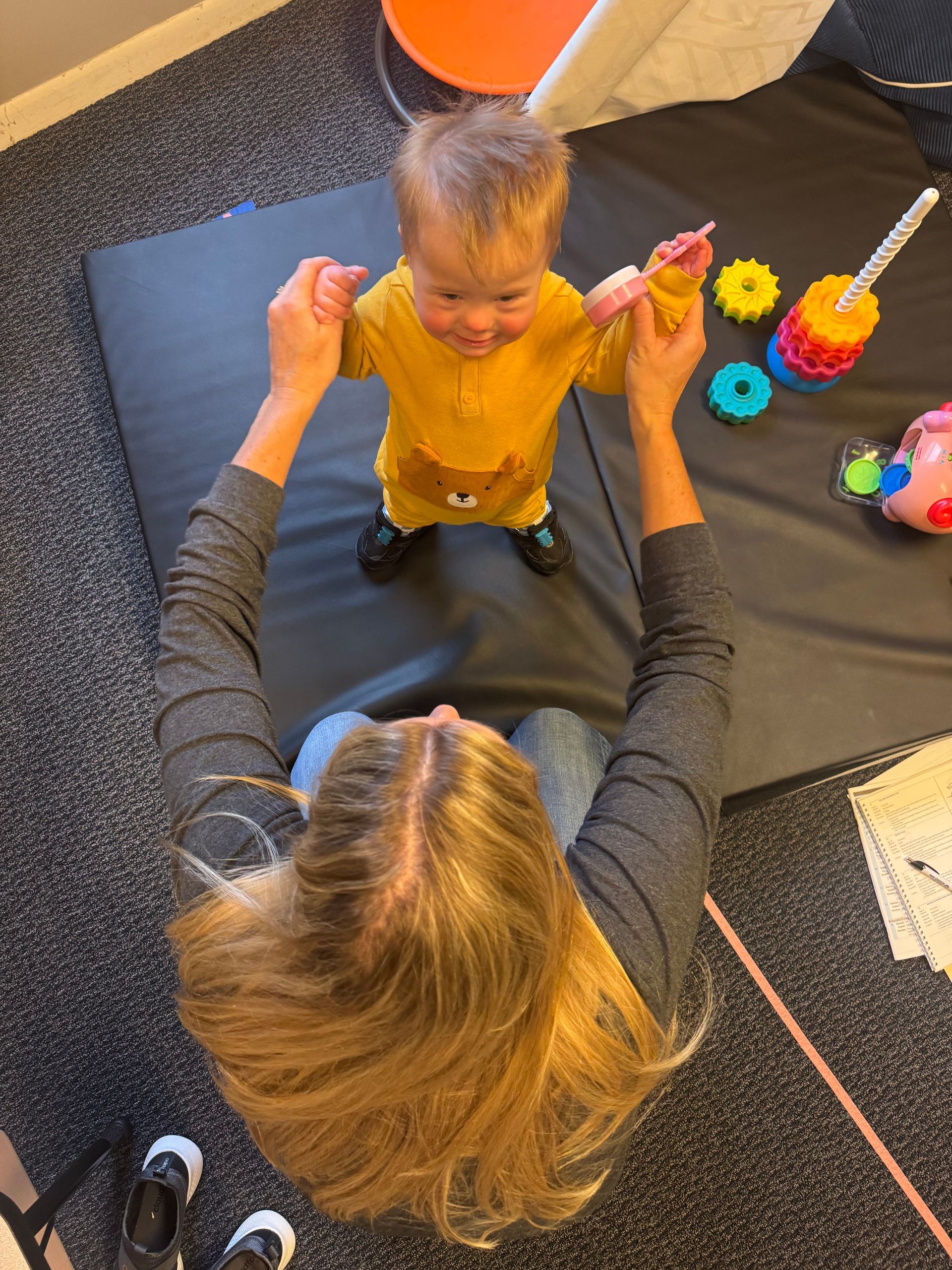
In OT, we use play as the pathway to strengthen motor skills, develop independence, support emotional regulation, and help children confidently participate in their daily world. This is what “occupation” truly means for kids — learning, growing, and discovering through meaningful, playful experiences.
What Occupational Therapy Looks Like at Evergreen
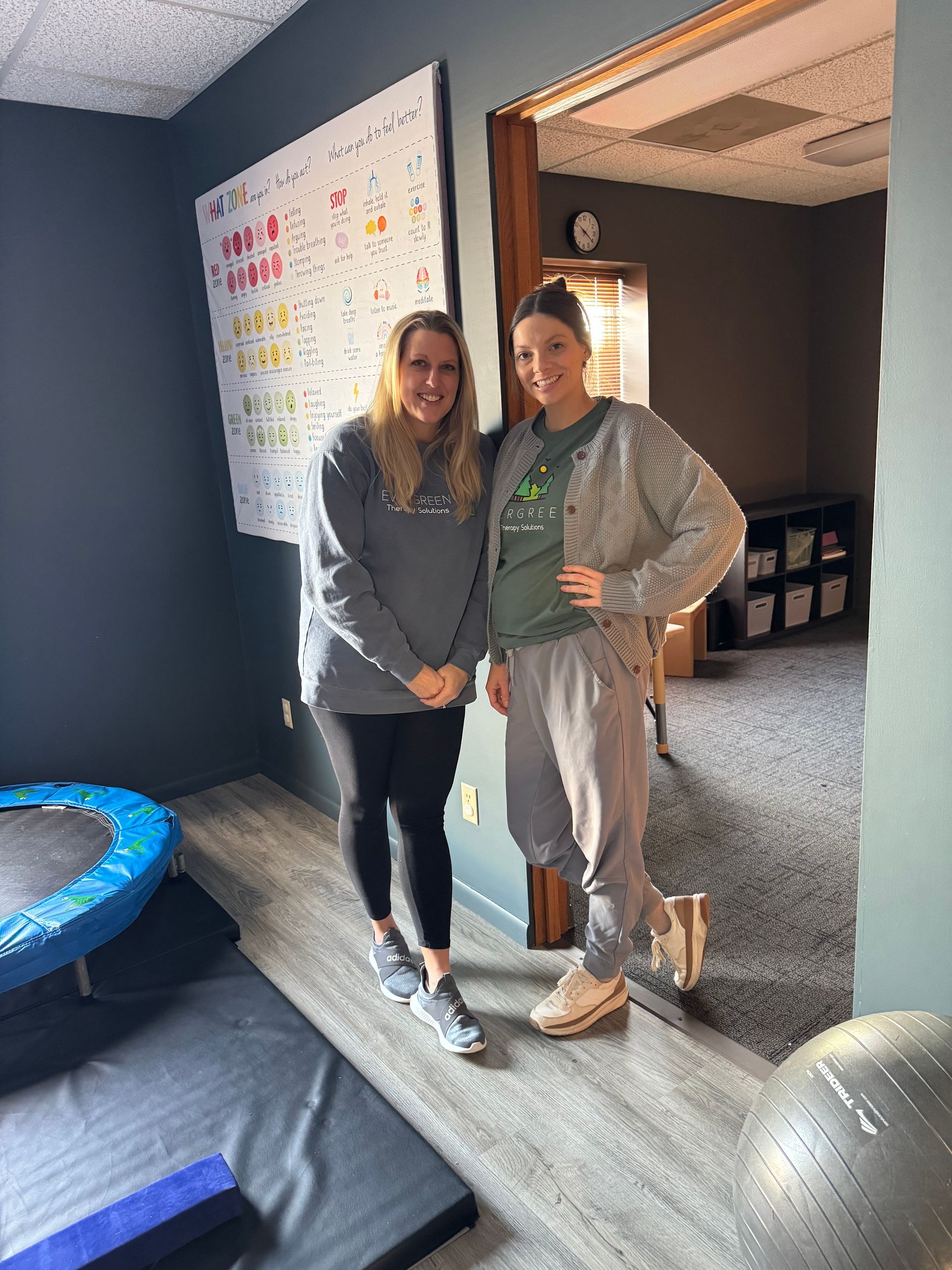
At Evergreen Therapy Solutions, occupational therapy is rooted in connection, play, and a deep respect for each child’s unique way of learning. Just like our name represents growth through every season, our OT team meets children exactly where they are on their best days, their hard days, and everything in between. Therapy with us looks and feels like play, because for children, play is their occupation. It’s how they explore, experiment, communicate, and build the foundational skills needed for daily life. By embedding therapeutic strategies into playful, meaningful experiences, we help children develop motor skills, emotional regulation, independence, and confidence in ways that feel natural and enjoyable.
Our approach is never one-size-fits-all. We embrace neurodiversity-affirming, child-led, and developmentally supportive practices that honor each child's strengths, sensory profile, and pace. Whether we’re addressing fine motor skills, sensory processing, self-care routines, or emotional regulation, our goal is always the same: to empower children to fully participate in the world around them.
Our Occupational Therapists work with individuals who need support in the following areas:
Fine Motor skills
Fine motor skills involve the small muscles of the hands and fingers, allowing children to grasp, pinch, push, and manipulate objects, and to complete everyday tasks with precision. These skills support everything from picking up tiny items to writing, dressing, and managing school tools. In occupational therapy, we strengthen fine motor control through playful, purposeful activities such as beading, handwriting practice, coloring, snapping and buttoning clothing, opening clothespins, using tongs to pick up small objects, and other hands-on tasks that build dexterity and confidence.
Gross Motor Skills
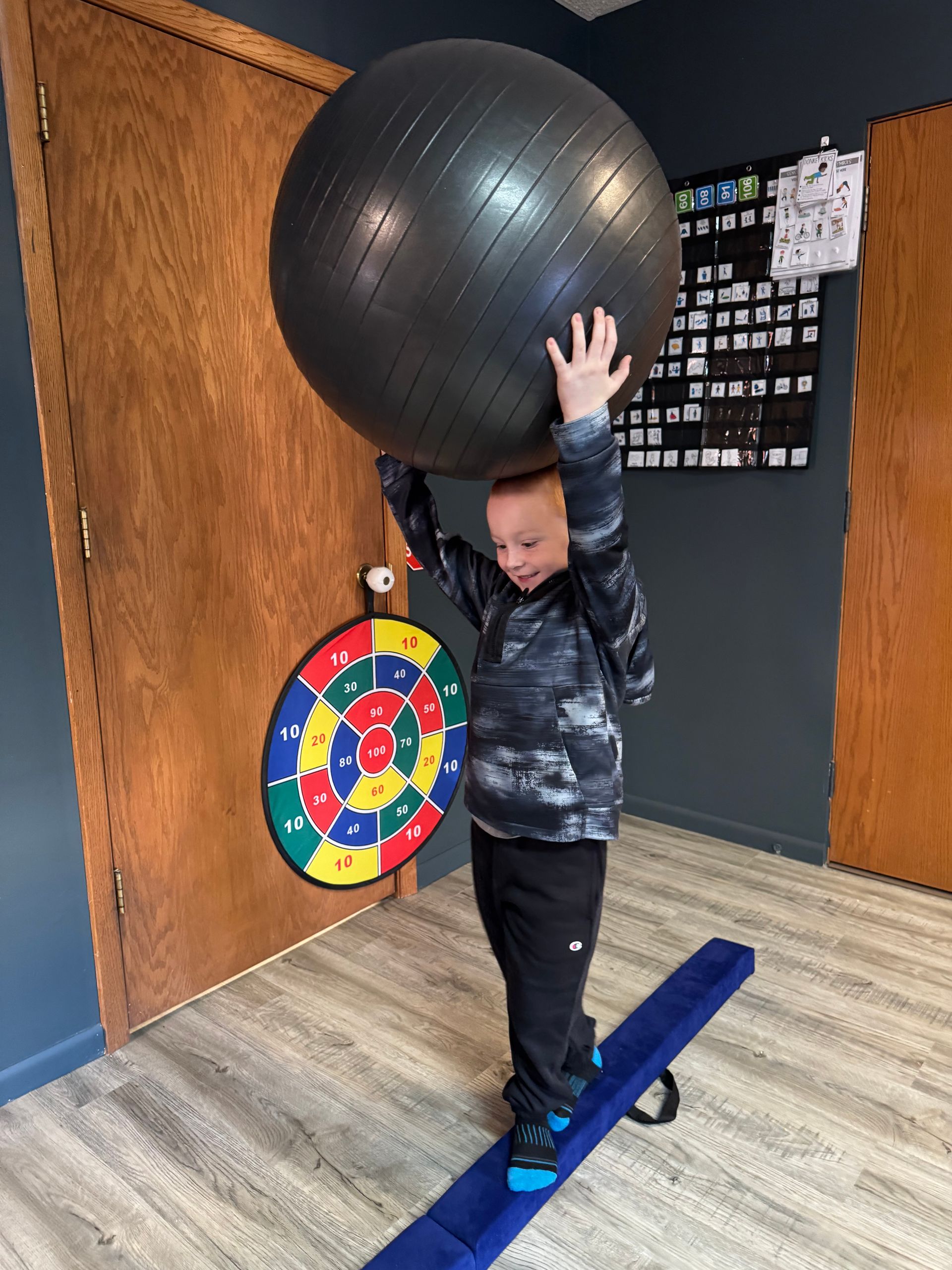
Gross motor skills involve the large muscle groups that support whole-body movement, strength, stability, and coordination. These skills include balance, core strength needed to sit comfortably and upright in a chair, and coordination required for activities such as animal walks, skipping, swinging, climbing, and jumping. In occupational therapy, we use gross motor activities to build overall body awareness and proprioception, which is a child’s ability to understand where their body is in space and how it moves. Strengthening these foundational skills helps children move with confidence, participate in play, and stay regulated throughout their day.
Emotional Regulation & Social Understanding
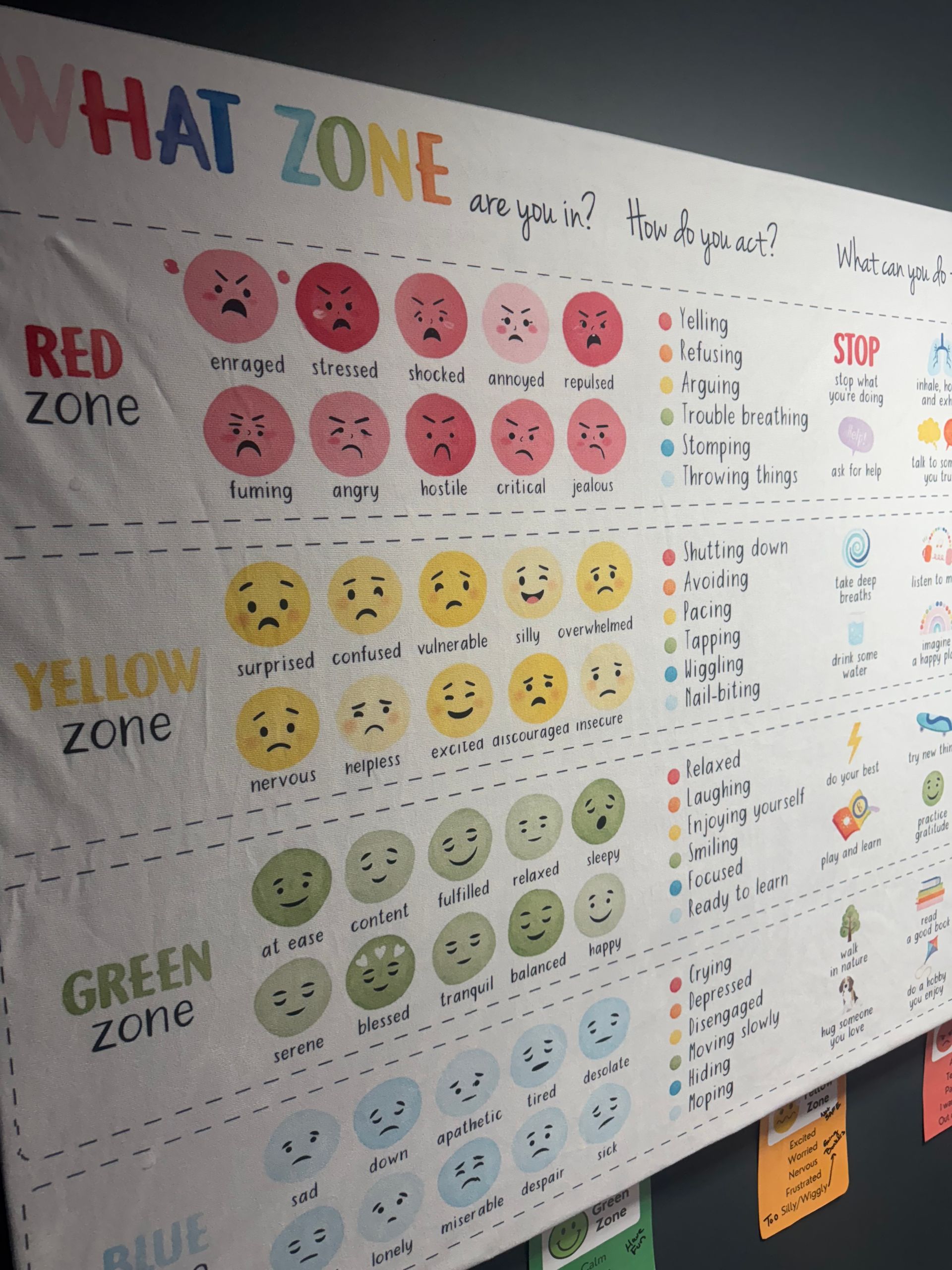
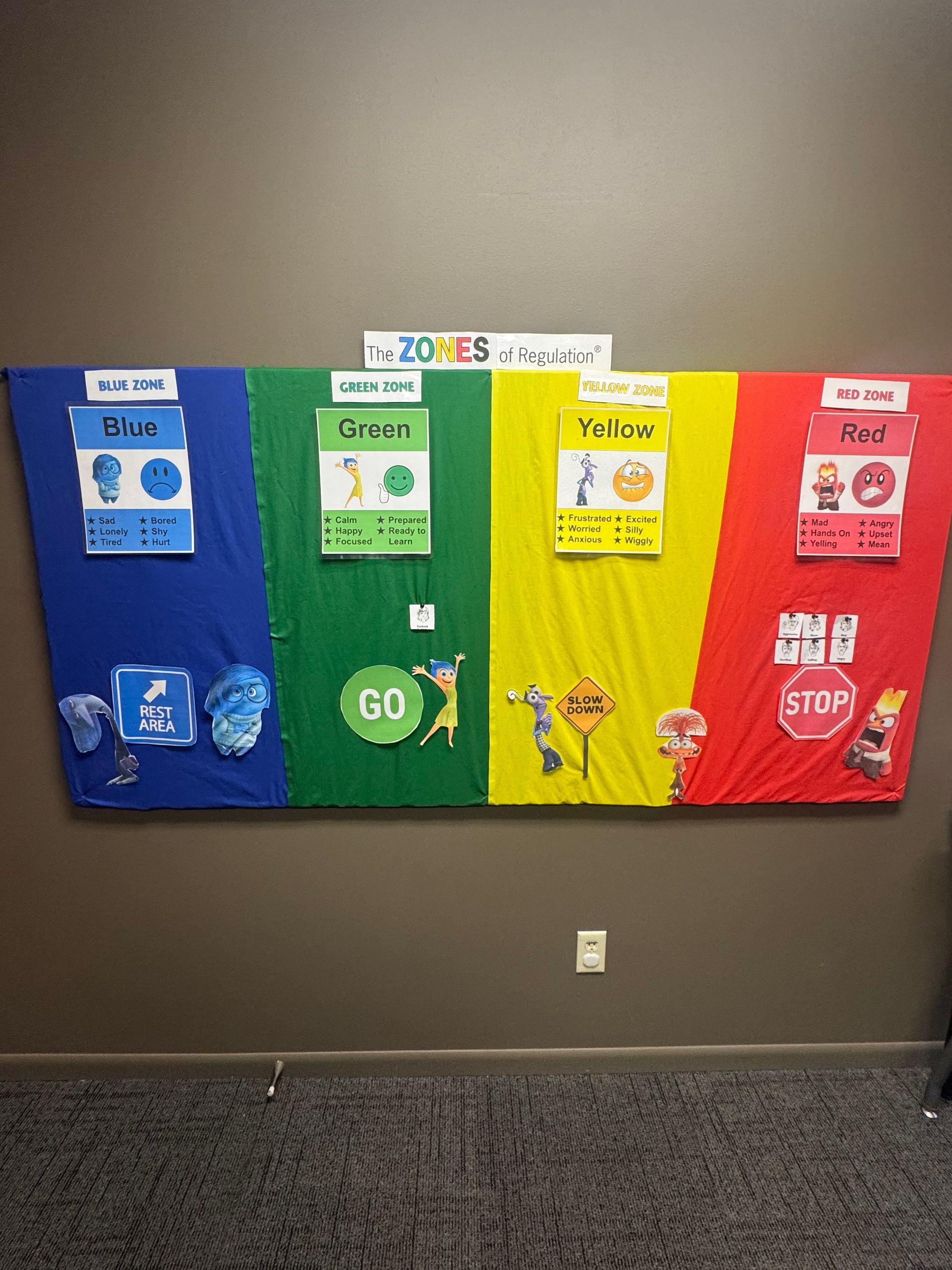
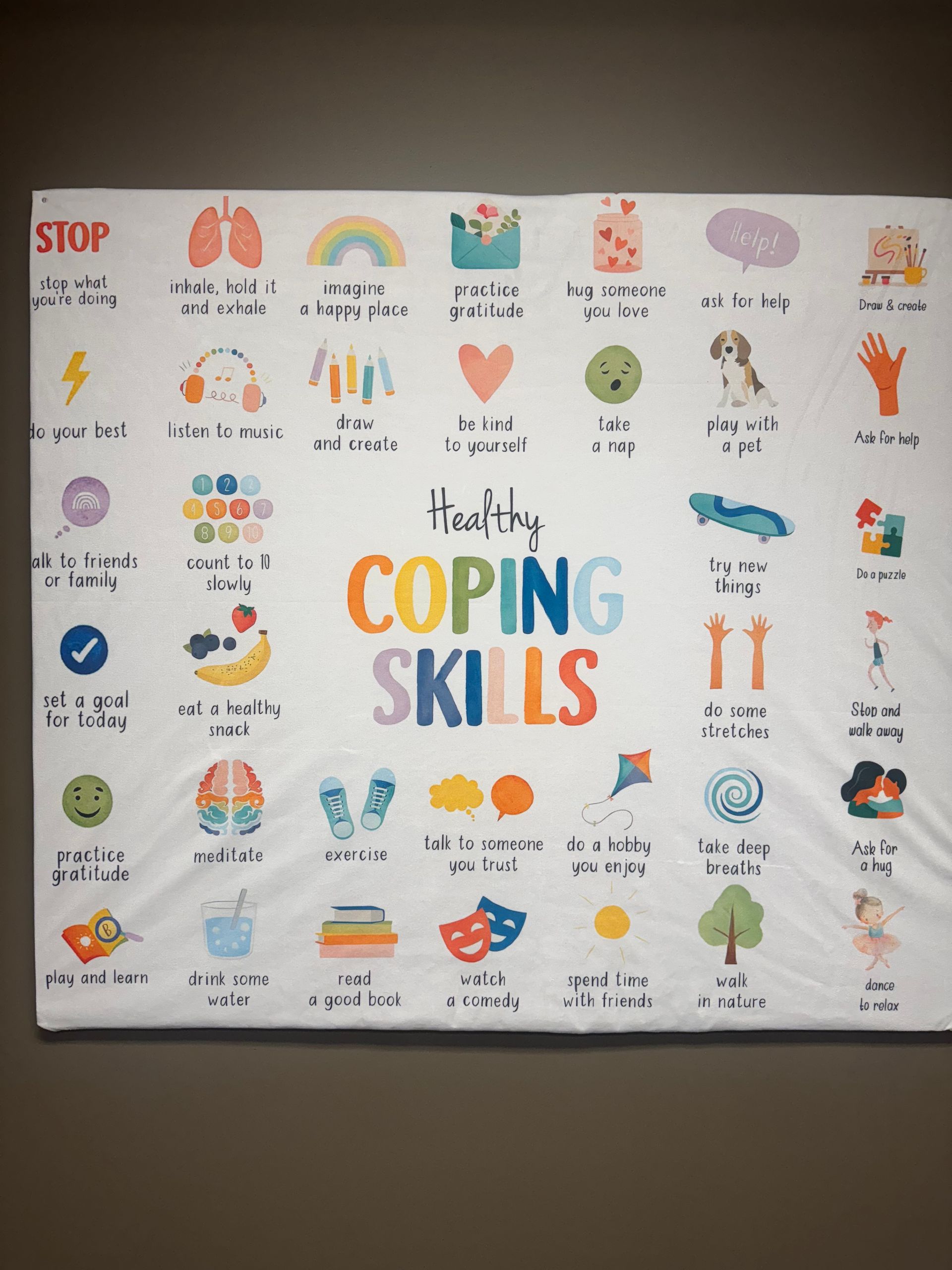
This is the ability to recognize, understand, and express emotions — both our own and those of others. It includes identifying how our feelings impact people around us, showing empathy, reading social cues, and working cooperatively with peers. In occupational therapy, we support children in building these skills through play, modeling, co-regulation strategies, and structured activities that help them navigate emotions and build meaningful relationships.
Primitive Reflexes Integration
Primitive reflexes are the automatic movement patterns babies are born with, which help guide early development and support the foundation for functional motor skills. These reflexes are meant to naturally integrate as the brain matures. When a primitive reflex remains active longer than expected, it can impact coordination, attention, posture, and emotional regulation. Through targeted therapeutic activities, occupational therapists help integrate retained reflexes so children can access more voluntary, controlled movement patterns.
Sensory Integration
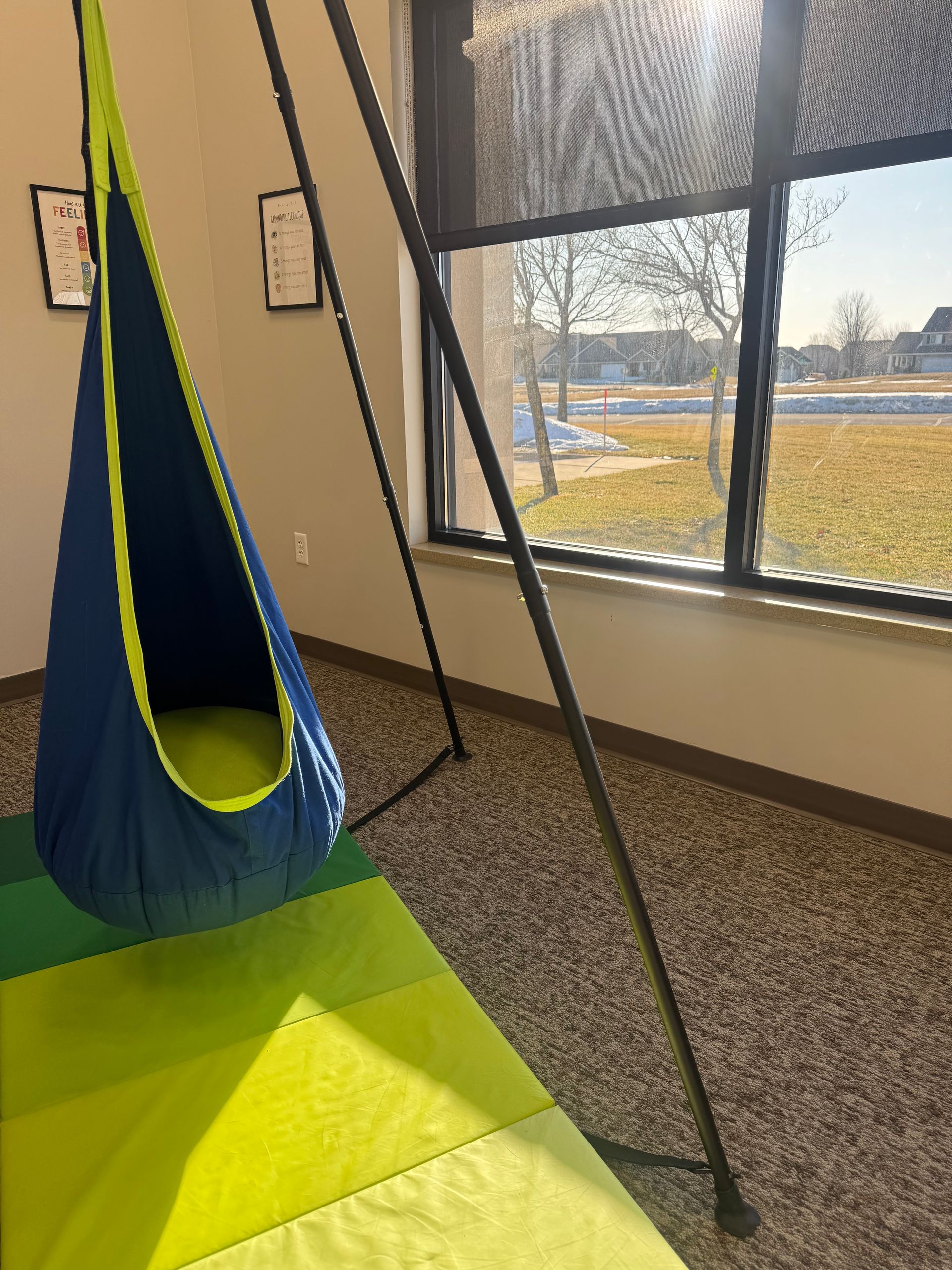
Sensory integration refers to the brain’s ability to receive, process, organize, and respond to sensory information from the world around us. This includes input from all five senses, as well as from movement and body-awareness systems. When sensory integration is working effectively, children can stay regulated, focused, and comfortable in their environment. Occupational therapy helps children build this capacity by providing sensory-rich activities that support the brain’s ability to interpret information and create appropriate, adaptive responses.
Self Care Skills
Self-care refers to a child’s ability to independently take care of their body and daily needs. This includes tasks such as toothbrushing, tying shoes, orienting clothing before dressing, putting on and taking off clothes, washing hands, preparing simple snacks, cleaning up personal items, staying organized with homework or after-school activities, and caring for pets. Occupational therapy helps children develop these essential life skills through step-by-step teaching, visual supports, hands-on practice, and routines that encourage independence and confidence.